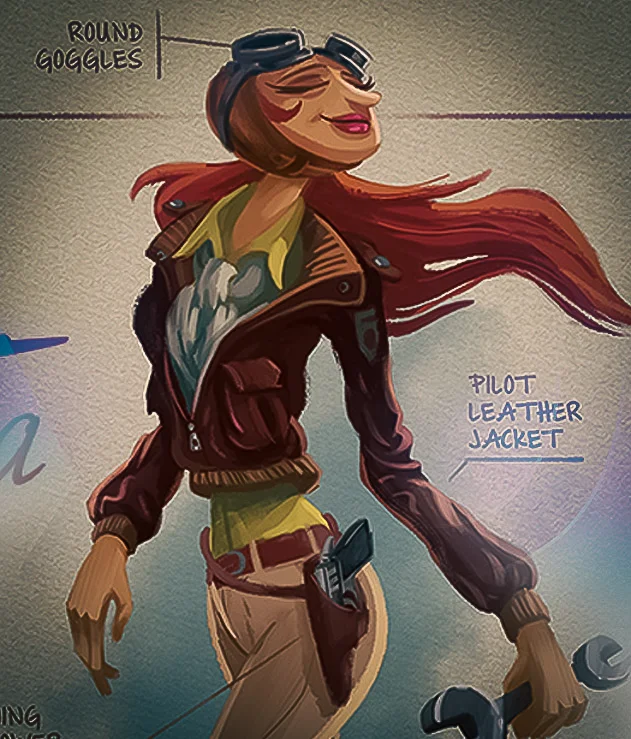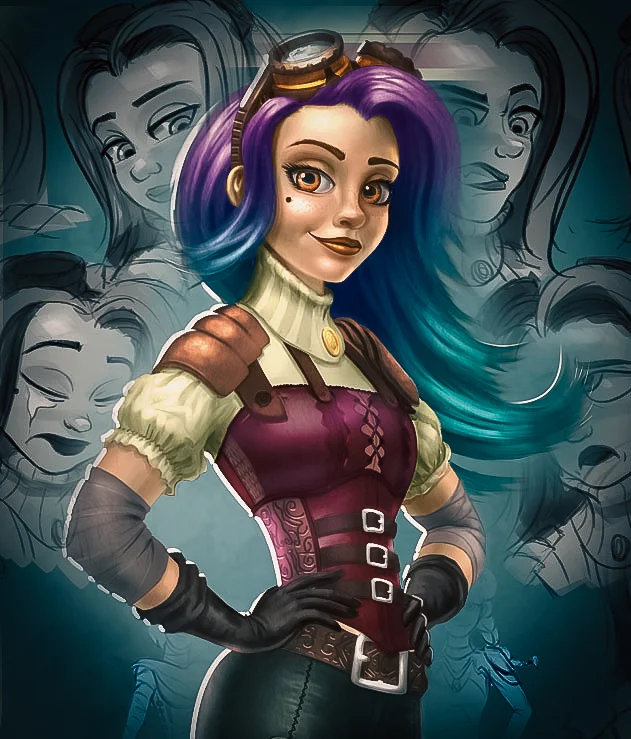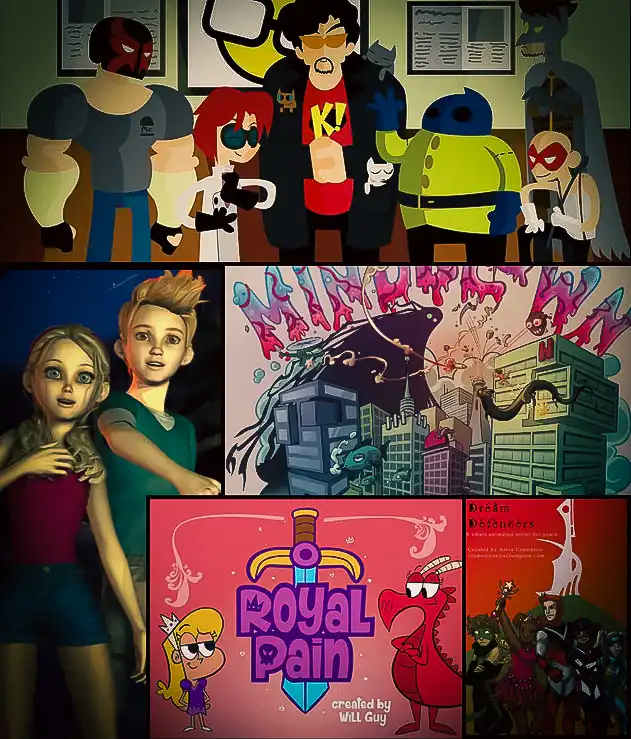
 Image: Production stills and concept art montage
Author: VANAS Team
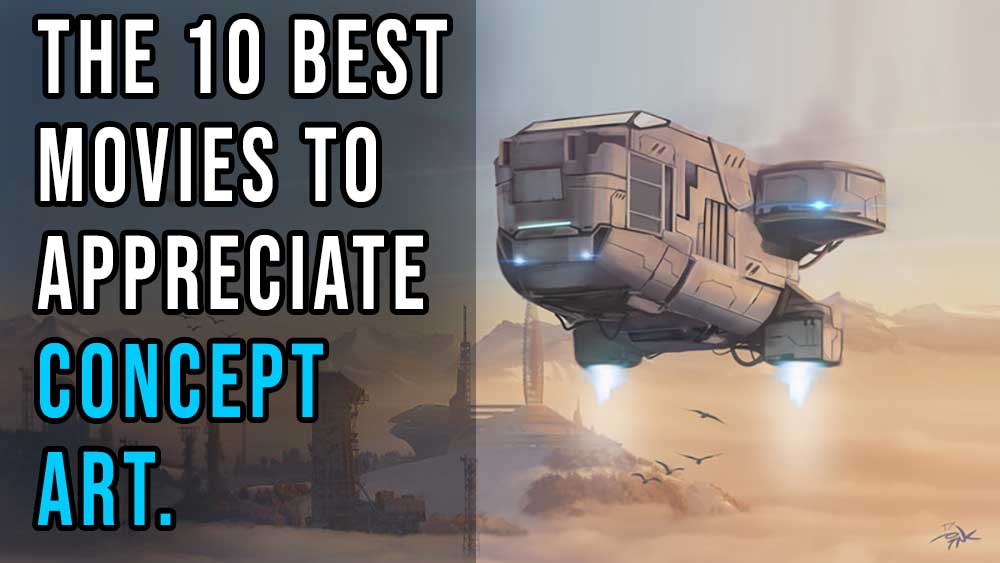
The 10 Best Movies to Appreciate Concept Art
Table of Contents
- Why study concept art in movies?
- How to watch these films for visual learning
- The 10 best movies to appreciate concept art
- Key takeaways for artists
- Further resources
Why study concept art in movies?
Concept art is the visual backbone of a film’s world. Before cameras roll, artists define mood, scale, color, and emotion through sketches, paintings, and digital studies. Studying films renowned for their concept art helps illustrators and designers learn how atmosphere, silhouette, and detail inform storytelling.
Watching a movie for its concept art means pausing to study compositions, noticing recurring motifs, and tracing how a director’s brief translates into environments and character designs. The list below focuses on films where production design and visual development are not just pretty—they shape the narrative.
How to watch these films for visual learning
- Watch once for story, once for composition. Let the film sink in, then rewatch slow or pause on frames that catch your eye.
- Collect references: pause, screenshot, and organize images by color, texture, and shape.
- Sketch thumbnails. Try to reproduce a scene’s silhouette, then a small color study.
- Ask: how does lighting guide the eye? Where is the negative space? What details sell the world?
The 10 best movies to appreciate concept art
Below are ten films chosen for their outstanding visual development work, spanning sci-fi, fantasy, animation, and live-action period pieces. Each entry highlights what concept artists can learn.
1) Blade Runner (1982)
Ridley Scott’s neon-drenched Los Angeles is a touchstone for worldbuilding. Syd Mead’s futurist designs and Lawrence G. Paull’s production concepts give the film a lived-in, layered quality. Study Blade Runner for:
- Densely textured cityscapes and layered silhouettes.
- Use of atmospheric perspective and reflected light.
- Combining retro elements with futuristic tech to create believable tangibility.
2) Metropolis (1927)
Fritz Lang’s silent epic is an early example of a production design dominating narrative. The city’s monumental geometry and expressionist sets teach control of scale and dramatic contrast.
- Monumental architecture and symbolic shapes.
- Strong geometric composition and dramatic chiaroscuro.
- How limited resources inspire bold, memorable designs.
3) The Lord of the Rings Trilogy (2001–2003)
Weta Workshop’s concept art and miniatures brought Middle-earth to life. From the organic shapes of Hobbiton to the stark angles of Isengard, the films show how style flags narrative tone.
- Cohesive visual language across cultures and locations.
- Costume and environment design that communicate history and function.
- Integration of practical and digital art for seamless storytelling.
4) Pan’s Labyrinth (2006)
Guillermo del Toro’s fairy-tale horror shows concept art as emotional architecture. The Pale Man, the faun, and the labyrinth are sculptural ideas that evolved from sketches to practical effects.
- Designing creatures that reflect thematic subtext.
- Balancing horror with beauty using texture and scale.
- The role of props and practical makeup in selling concept designs.
5) Star Wars: A New Hope (1977)
Ralph McQuarrie’s paintings are foundational concept pieces in modern cinematic design. His art translated George Lucas’s ideas into iconic silhouettes and color palettes.
- How a single painter’s vision can unify a franchise.
- Silhouette-first thinking for instantly recognizable designs.
- Using a limited palette to create memorable, cinematic compositions.
6) Blade Runner 2049 (2017)
A modern follow-up that honors and expands upon the original’s visual DNA. Dennis Gassner and concept teams layered minimalist design with environmental storytelling—every set tells a backstory.
- Monochrome and accent color for emotional beats.
- Massive scale used deliberately to create human loneliness.
- Clean, modernist shapes contrasted with environmental decay.
7) Spirited Away (2001)
Hayao Miyazaki and Studio Ghibli excel at worldbuilding through hand-drawn backgrounds and character concepts. This film’s markets, bathhouses, and spirits are studies in cohesive, whimsical design.
- Dense, painterly backgrounds that support character action.
- Organic shapes and evolving motifs across sequences.
- How storytelling influences every design choice, down to props.
8) Blade Runner’s Kin: The Fifth Element (1997)
While more flamboyant, Luc Besson’s film and Jean-Claude Mézières–inspired visuals showcase playful futurism. Costume and set design combine high fashion with sci-fi utility.
- Bold color choices and theatrical silhouettes.
- Mixing cultural reference points to create an imaginative future.
- Costume-as-character principle: clothes that tell stories.
9) Mad Max: Fury Road (2015)
George Miller and the concept teams produced a raw, kinetic visual style where vehicles and armor are extensions of culture. The film is an exercise in worldbuilding through utility-driven design.
- Function-first design that communicates character and society.
- Texture and repurposed materials to suggest scarcity and survival.
- High-contrast compositions and motion-informed set choices.
10) Avatar (2009)
James Cameron’s Pandora blends photoreal CG with organic concept art. The richness of flora and fauna, and the bioluminescent palette, are lessons in ecological design and color harmony.
- Designing ecosystems with believable interdependence.
- Color as a storytelling tool—mood, danger, and connection.
- Translating concept paintings into immersive, volumetric worlds.
Key takeaways for artists
- Silhouette matters: the simplest readable shape often sells a design.
- Color storytelling: palettes communicate mood and narrative beats.
- Texture and material inform history: weathering and wear tell stories.
- Integration: the best concept art collaborates with costume, props, and VFX teams to form a unified world.
Further resources
- Study production art books and concept art galleries for each film.
- Recreate thumbnails and color studies from pause frames.
- Follow contemporary concept artists on social platforms for process breakdowns.
VANAS Online Design & Art programs teach visual development, concept art, and production design. Learn more at https://www.vanas.ca