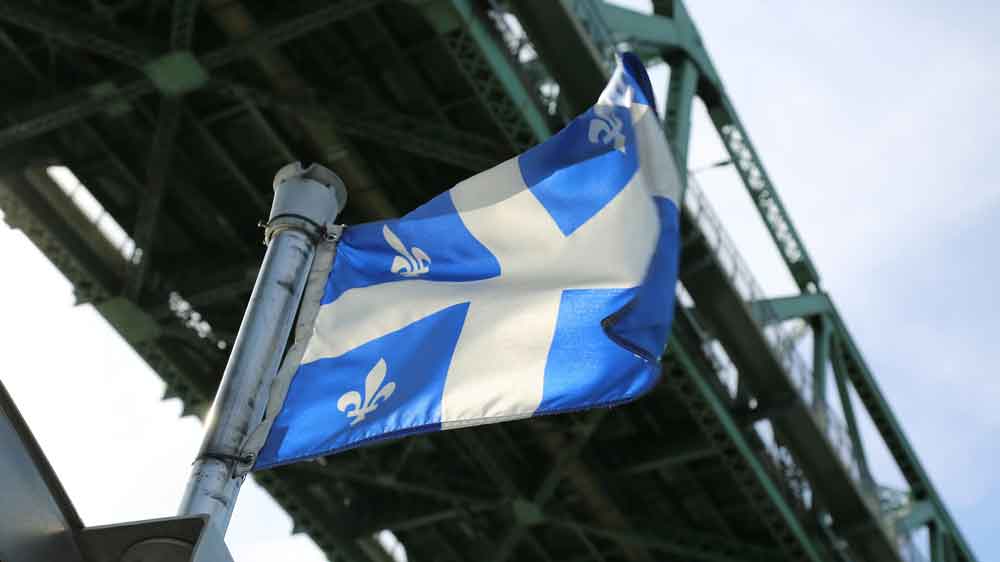
 Photo by Harry Spink on Unsplash
Author: VANAS Team
Animation and Video Game Design School in Montreal, QC
Table of Contents
- Why Montreal is a Top Choice for Animation & Game Design
- Typical Program Structure and What You’ll Learn
- Montreal’s Industry Ecosystem and Career Paths
- Costs, Scholarships and Student Life in Montreal
- How to Choose the Right Program
- Application Tips and Portfolio Advice
- Frequently Asked Questions
- Final Thoughts
1. Why Montreal is a Top Choice for Animation & Game Design
Montreal has earned a reputation as one of the creative capitals of North America. The city combines a deep pool of studios, a vibrant indie scene, internationally known events, and a bilingual culture that often opens extra doors for students and juniors.
- Studio density: Montreal hosts major game and VFX studios as well as small teams producing independent games and animated shorts.
- International events: conferences, festivals and game jams make it easy to meet recruiters and collaborators.
- Creative community: a large student population and many local meetups mean more chances to join teams, collaborate on projects, and get feedback.
If you want to study where production happens and gain real networking opportunities during your program, Montreal is a strong option.
2. Typical Program Structure and What You’ll Learn
Programs in Montreal range from short specialized courses to diplomas and multi-year degrees. Most industry-focused programs include a mix of these core areas:
- Foundations: drawing, color, composition, and visual storytelling. These fundamentals are essential for both animation and game art.
- Production pipelines: character animation, modeling, texturing, rigging, lighting and rendering — taught with studio-style workflows.
- Motion and VFX: compositing, particle systems and camera tracking for cinematic work.
- Game-specific modules: gameplay scripting basics, level design, engine workflows (e.g., Unity/Unreal), and performance optimization.
- Capstone & portfolio projects: team projects or solo reels that mirror production deliverables and are crucial for hiring.
Shorter courses teach tool-specific skills (ZBrush, Substance, Spine/Live2D). Longer diplomas emphasize team projects, career-readiness sessions, and studio-style pipelines.
3. Montreal’s Industry Ecosystem and Career Paths
Montreal’s ecosystem supports a wide range of entry-level roles. Common first jobs for graduates include:
- 2D/3D Artist: creating models, textures and assets for animation or games.
- Animator: producing character and creature motion for cinematic or gameplay needs.
- Compositor / Lighting Artist: finishing shots in VFX pipelines or optimizing cinematic sequences for games.
- Technical Artist: building small tools, shaders or performance solutions that bridge art and engineering.
- Level / Environment Artist: creating playable spaces and environmental storytelling for games.
Because of the number of studios and contract work available in Montreal, many graduates find short-term freelance or contract gigs that lead to longer-term roles.
Bilingualism is often an advantage: some studios work in French and English, and being comfortable in both languages can expand your job options and make you more competitive.
4. Costs, Scholarships and Student Life in Montreal
Montreal is often more affordable than larger North American cities, which helps students stretch their budgets while gaining industry access.
- Tuition: varies widely depending on program length and institution. Short bootcamps cost less; full diplomas and degree programs cost more but usually include more production practice.
- Scholarships and bursaries: many schools offer merit-based awards and needs-based aid — always check the specific program’s financial aid page.
- Living costs: rent and daily expenses in Montreal are typically lower than in Toronto or Vancouver, but planning is still essential.
- Part-time work: many students freelance, work part-time, or pick up contract art jobs to offset living costs.
Budget tip: prioritize programs that include team projects, career services, and employer showcases — these directly improve hiring outcomes and help recover your investment faster.
5. How to Choose the Right Program
When evaluating Montreal programs, use this checklist:
- Portfolio outcome: will the program coach you to build a portfolio targeted to the roles you want?
- Production experience: does the curriculum include team projects or a capstone that simulates studio pipelines?
- Industry connections: does the school host recruiters, internships, demo days or guest lectures from working professionals?
- Tools and pipeline: are current industry tools covered (Unity/Unreal, Maya, Blender, Substance, Nuke, etc.)?
- Class size & instructor background: smaller cohorts and instructors with studio experience accelerate learning.
Attend open houses, ask to view alumni reels, and ask career services for graduate employment statistics.
6. Application Tips and Portfolio Advice
- Start early: produce small, focused projects that demonstrate specific skills — short loops, character sheets, environment breakdowns or a tiny interactive scene.
- Focus on quality over quantity: a tight portfolio with three strong pieces is better than a long list of unfinished work.
- Show process: include a short case study for each major piece: the problem, your approach, tools used and the final result.
- Learn at least one engine: a simple Unity or Unreal scene that highlights interactivity or technical understanding is very valuable for game roles.
- Network: attend portfolio nights, local meetups and online communities — hiring often begins with a conversation.
7. Frequently Asked Questions
Q: Do I need to speak French to study or work in Montreal?
A: Many programs welcome students in English, and many studios operate in English — but French is commonly used in daily life and at some workplaces. Knowing French is a practical advantage and can widen your opportunities.
Q: How long until I can get a junior role?
A: With a strong portfolio, internships or capstone projects, many students find junior roles within 3–12 months of graduating.
Q: Can I study online and still get the benefits of Montreal’s industry?
A: Remote learning can teach the skills, but being in Montreal offers networking and in-person events that often speed hiring. If networking is important to you, in-person study has clear benefits.
8. Final Thoughts
Montreal combines strong industry presence, affordability relative to some major cities, and a lively creative community — all reasons it’s a top pick for animation and game design students. The right program depends on your goals: a short, focused bootcamp for tool-specific skills, a diploma for production experience, or a degree for a deeper foundation.
What matters most is your portfolio, team project experience, and the network you build while studying. If you’re exploring programs that combine animation, VFX and game design, research offerings in Montreal and compare curricula, project opportunities and employer connections.