Best Online Animation Courses in 2026 (Beginner to Pro)
If you're searching for the best online animation courses in 2026, you're in the right place. Whether you want to learn the basics, level up your portfolio, or transition into a professional studio role, the right course will teach craft, pipeline, and useful industry habits. Below you'll find how to pick a course, recommended paths from beginner to pro, and where VANAS courses fit into the mix.
Why online animation courses matter in 2026
Online learning has matured: interactive classrooms, project reviews, cloud render and collaboration tools, and mentor feedback make remote animation training practical and industry‑relevant. Courses now cover everything from classical principles and 2D character work to real‑time workflows in Unreal Engine, CG pipelines for feature animation, and VFX compositing. The benefit: focused, portfolio‑driven learning without relocating.
How to choose the right course
Before signing up, ask these questions:
- Goal: Learn fundamentals, build a reel, or get a studio-ready pipeline? Pick a course that matches the outcome.
- Instructor and reviews: Who teaches the course and what do past students say? Portfolio samples and mentor access matter.
- Projects & feedback: Does the course include graded projects and constructive reviews? Real feedback is the fastest way to improve.
- Tools taught: Are you learning the industry tools you want (Maya, Blender, Toon Boom, Unreal)? Tool-agnostic principles are fine, but pipeline knowledge helps hiring.
- Time & cost: How much time can you commit? Some pro tracks simulate full-time bootcamps; others are self‑paced.
Now, a practical path from beginner to pro with recommended course types.
Beginner — Foundations and fundamentals
Start by learning the animation principles, timing, and simple character movement.
- Classical Principles: Look for courses that teach the 12 principles of animation (squash & stretch, anticipation, timing). These are the foundation for any medium.
- 2D Character Animation: Beginner classes that focus on keyframes, walk cycles, and lip sync in software like Toon Boom or even hand‑drawn frame tests teach observational skills.
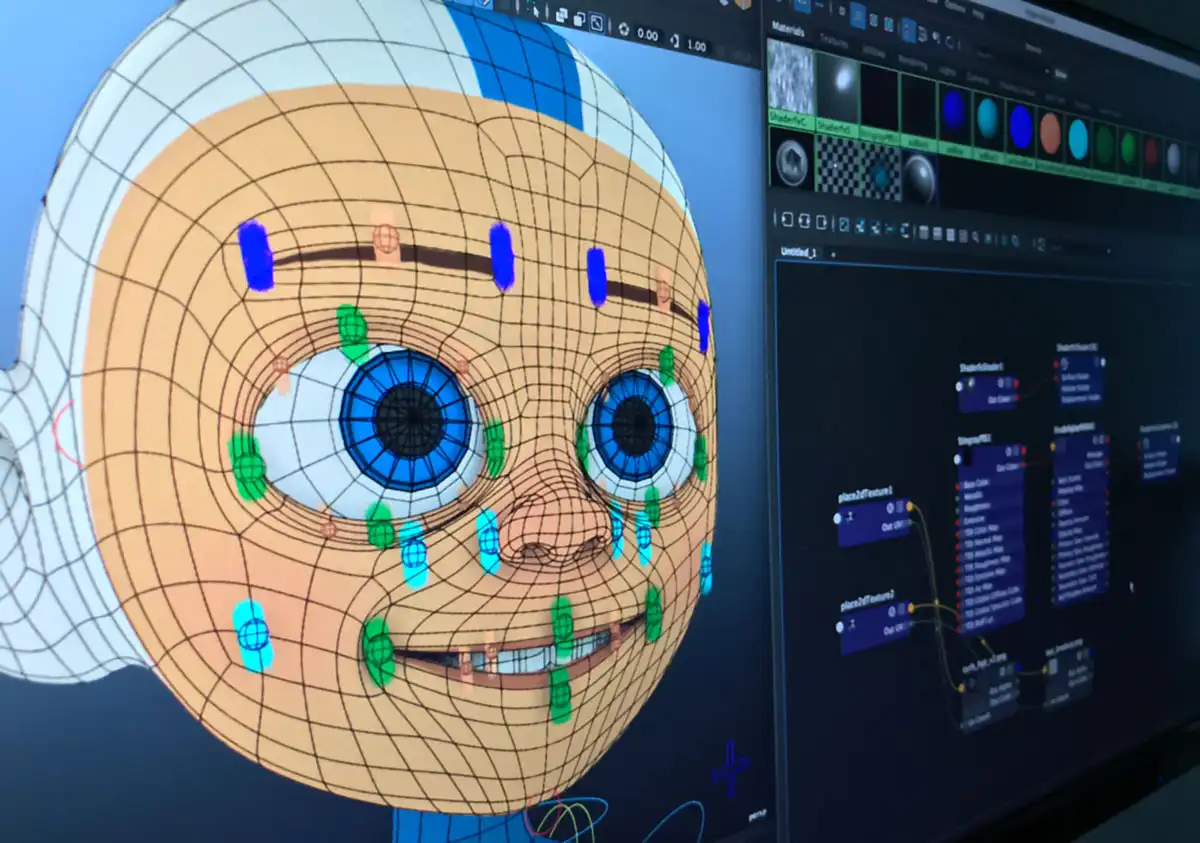
- Intro to 3D Animation: Basic rigs, block‑in animation, and walk cycles using Blender or Maya get you comfortable with interpolation and graph editors.
Recommended formats: short project‑based courses, community feedback, and weekly exercises. VANAS introductory modules cover animation fundamentals and short practical projects that build a strong baseline.
Intermediate — Character polish and pipeline awareness
Once you have fundamentals, move to courses that emphasize performance, spline polishing, and production awareness.
- Acting for Animators: Courses that teach intent, emotional beats, and body mechanics will significantly improve character work.
- Body mechanics and secondary action: Learn how to layer and polish motion to sell weight and believability.
- Animation Pipeline Basics: Intro to rigging concepts, layout, and passing shots between departments (layout, blocking, animation, lighting).
Recommended formats: mentor reviews, iterative projects, and breakdowns of studio examples. VANAS intermediate classes focus on character performance and pipeline-relevant tasks, with feedback tailored to portfolio growth.
Pro — Studio-ready reels and specialized tracks
Pro-level training prepares you for studio roles (feature, TV, games, VFX). These courses are intensive and portfolio-focused.
- Advanced Character & Creature Animation: Frame‑by‑frame refinement, complex acting, and fighting or animal locomotion studies.
- Real‑Time Animation & Game Integration: Learn mocap cleanup, retargeting, and Unreal Engine workflows for games and interactive experiences.
- CG Pipeline & Look Development: Understand how animation interacts with rigging, cloth, hair, and lighting in a production pipeline.
- VFX for Animators & Compositing: If you're crossing into VFX, learn camera projection, matchmoving basics, and Nuke or compositing workflows.
Recommended formats: multi‑month mentorships, live reviews, and collaboration on multi‑shot projects. VANAS pro tracks simulate production sequences, include mentor review, and emphasize reel‑ready deliveries.
Platforms and providers to consider
There are many places to learn; choose the format that matches your needs:
- Short courses and market places (Udemy, Domestika): Good for focused skills and low‑cost experiments.
- University‑style and accredited programs: Offer deeper academic structure and recognized credentials.
- Specialist schools and bootcamps (School of Motion, Animation Mentor, CG Spectrum): Strong mentor models and curated feedback loops.
- Studio‑led or IP‑relevant courses: Occasionally studios or toolmakers run bootcamps teaching production workflows.
VANAS offers structured online programs that cover Animation, Visual Effects, and Video Games, with portfolio reviews and production‑style projects that map to industry expectations.
Building a reel that gets noticed in 2026
- Focus on short, finished shots (5–15 seconds) showing clear acting or mechanics.
- Show process: include turnaround, breakdown, timeline screenshots, and brief notes on your approach.
- Keep tools visible: indicate software used and whether shots are real‑time or offline rendered.
- Quality over quantity: three great shots beat ten mediocre ones.
Learning habits that accelerate progress
- Consistent practice: daily or regular timed exercises beat sporadic binge learning.
- Peer critique: join critique groups or find mentors who will give honest, actionable feedback.
- Break down scenes: study archive reels and recreate short beats to understand how pros solve problems.
Final recommendations
If you're starting out, begin with a fundamentals course that includes weekly projects and instructor feedback. For intermediates, prioritize acting and pipeline courses that include mentor reviews. If your goal is a studio role, enroll in an intensive pro track with multi‑shot projects and portfolio coaching.
VANAS courses fit across this spectrum — from beginner modules that teach animation basics to pro tracks that simulate production and prepare you for roles in animation, VFX, and games. If you'd like, I can draft a short section listing specific VANAS course names and suggested learning paths, or prepare translations for Spanish and French versions of this post.