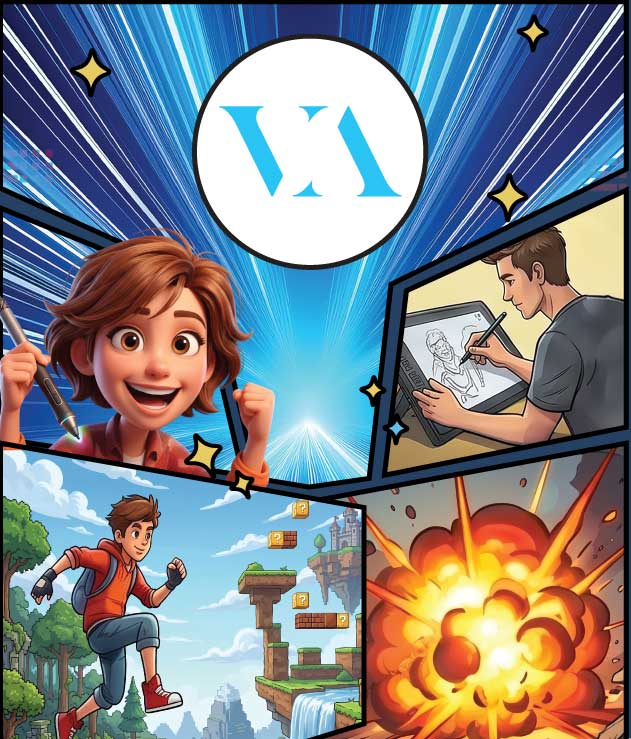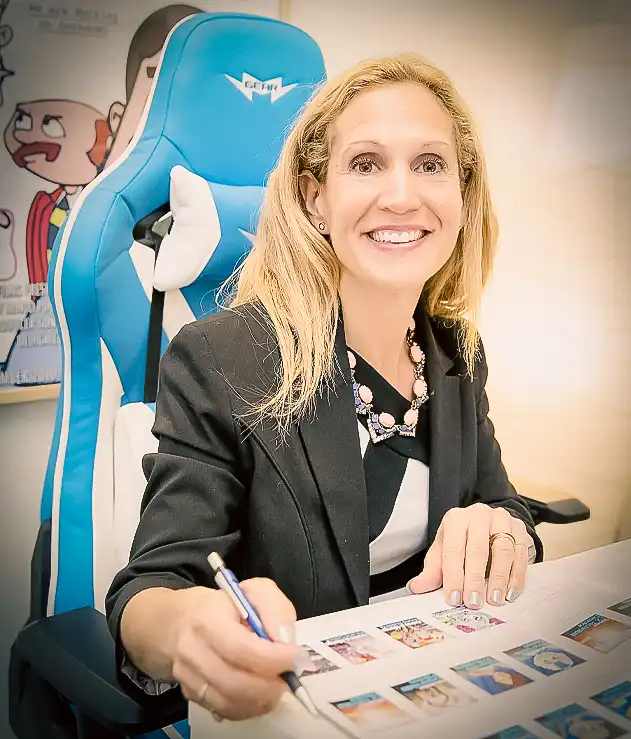
 Image: A professional working on animation and game design projects
What Can You Do After Studying Animation, VFX, or Video Games?
The answer depends on the path you choose, but the short version is: there are more options than most people expect. Whether you want to work in character animation, game design, or visual effects, the industry is full of opportunities — and the right school can set you on the right track.
At VANAS School, students learn the technical skills and creative instincts that studios need. The programs are designed to bridge the gap between classroom learning and real-world production, so you graduate with a portfolio that shows you can deliver.
Animation Careers
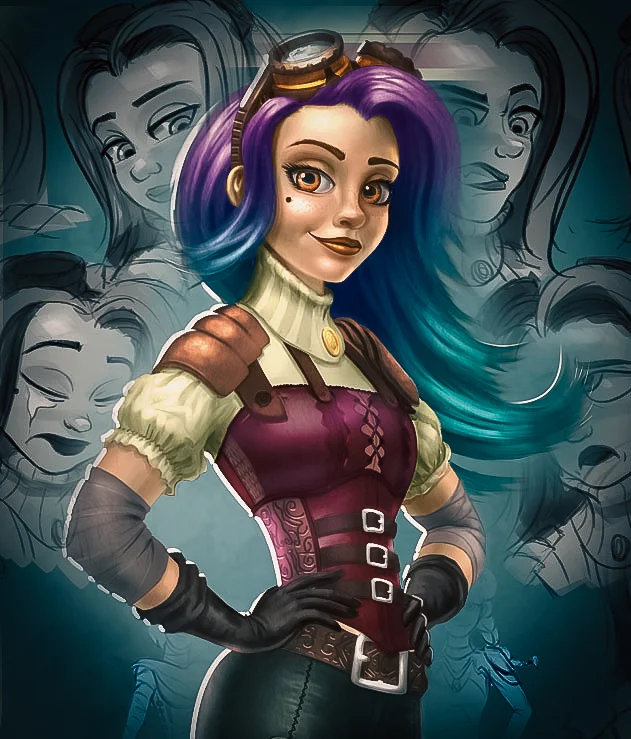
Character Animator
A character animator brings a character to life through movement. This role requires strong timing, expression, and an understanding of how bodies move in space. Character animators work on films, TV shows, and video games, often collaborating with directors and other artists to ensure the performance feels natural.
2D Animator
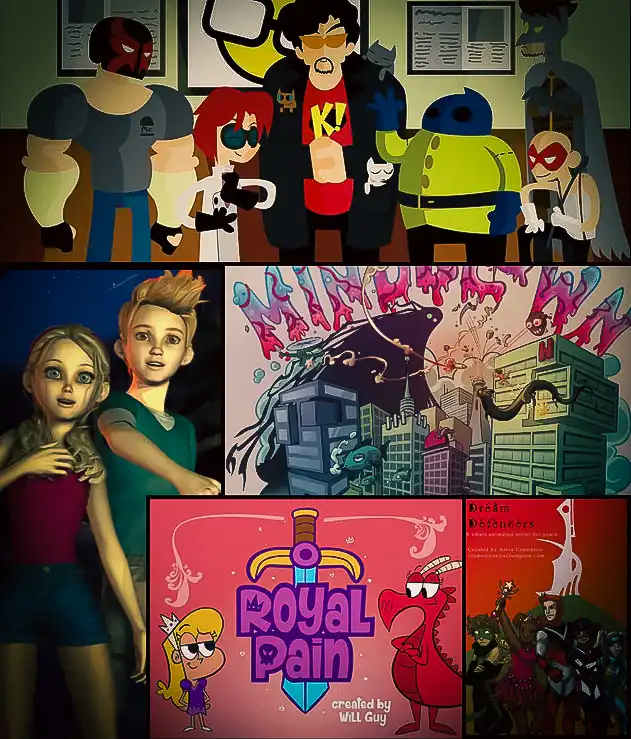
2D animators create movement in flat, two-dimensional artwork. This is a foundational skill in the industry, and it opens doors to everything from traditional hand-drawn animation to digital tools like Adobe Animate and Toon Boom Harmony. 2D animators often work on short films, web content, and mobile games.
3D Animator
3D animators work in three-dimensional space, creating movement for characters, objects, and environments. This role requires proficiency in software like Maya, Blender, and Unreal Engine. 3D animation is a growing field, and studios increasingly seek artists who can blend traditional animation principles with digital tools.
Storyboard Artist
A storyboard artist creates visual plans for animated projects. They sketch out scenes, actions, and transitions, giving the director and team a clear picture of the story's flow. Storyboard artists need strong drawing skills and an eye for composition. This role is often the first step into the animation industry.
Video Games Careers
Game Artist
A game artist creates the visual elements that bring a game to life. This can include character design, environment art, UI elements, and more. Game artists work closely with designers and programmers to ensure the visual style matches the game's vision.
Character Artist
Character artists focus on creating the visual appearance of characters in a game. This includes modeling, texturing, and rigging. A character artist needs to understand both the artistic and technical aspects of their work, and they often collaborate with animation teams to ensure characters look and move convincingly.
Environment Artist
Environment artists create the worlds in which characters live and interact. This includes building landscapes, designing interiors, and creating the overall atmosphere of a game. Environment art requires strong spatial awareness and an eye for detail.
Level Designer
A level designer creates the spaces and challenges within a game. They design layouts, place obstacles, and craft experiences that guide the player through the story. Level designers work closely with designers and programmers to ensure the game is fun and balanced.
Game Designer
A game designer is the creative lead who shapes the overall experience of a game. They define mechanics, storylines, and player interactions. Game designers work across all disciplines, from art to programming, and they are the ones who make the final decisions about what the game should be.
VFX Careers
Compositor
A compositor combines visual elements into a final image or sequence. They work with layers of footage, effects, and lighting to create the polished look that audiences expect. Compositors use software like Nuke and After Effects to blend everything together seamlessly.
FX Artist
FX artists create visual effects such as explosions, fire, water, and magic. They work on live-action and animated projects, adding realism and excitement to scenes. FX artists need a strong understanding of physics and lighting to make effects look believable.
Lighting Artist
A lighting artist sets the mood and atmosphere of a scene by controlling how light falls on characters, environments, and objects. Lighting is essential in both film and games, and it can make or break a scene. Lighting artists work closely with directors and other artists to achieve the desired visual impact.
Environment Artist
An environment artist creates the backgrounds and settings in which characters and events take place. This includes building 3D scenes, adding textures, and ensuring the environment feels immersive. Environment artists are often the first to see a scene come together and the last to leave it.
Emerging Careers
Unreal Engine Artist
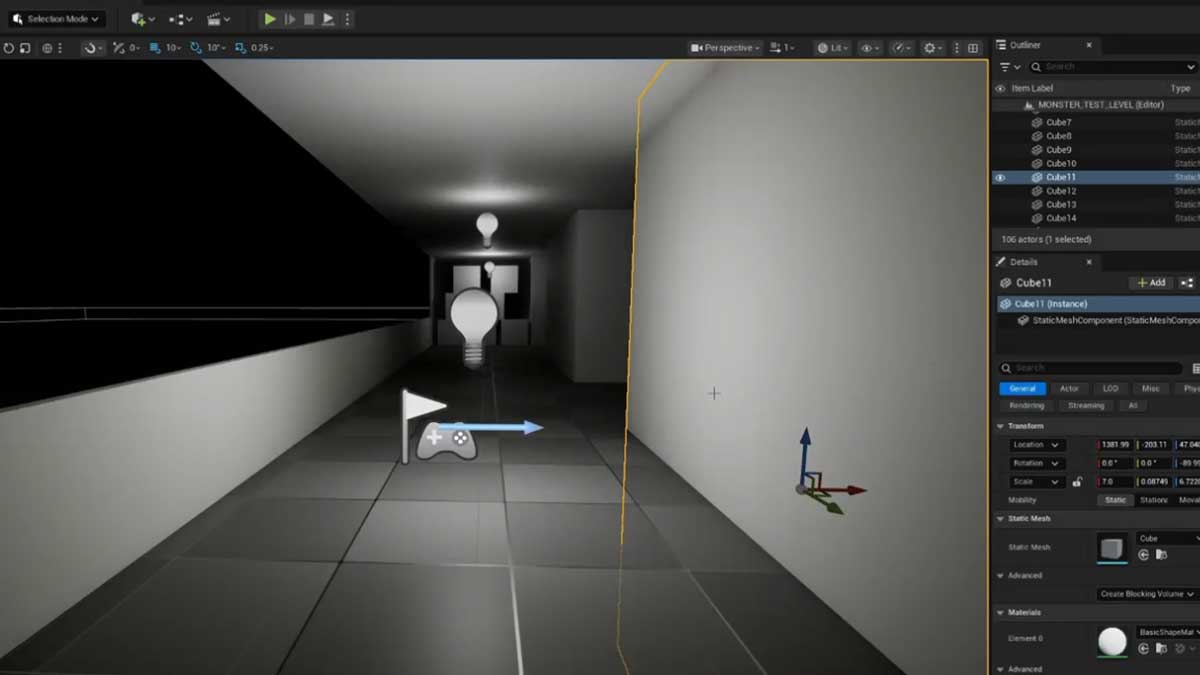
The Unreal Engine is one of the most popular game engines in the world, and artists who work with it are in high demand. An Unreal Engine artist creates assets, environments, and effects for games built on the engine. This career is growing rapidly, and studios are looking for artists who can work efficiently with the engine's tools.
Virtual Production Artist
Virtual production combines real-time rendering with live-action filming, creating immersive experiences that were once only possible in post-production. Virtual production artists work with LED volumes, cameras, and rendering engines to create stunning visuals on set. This is one of the most exciting and in-demand careers in the entertainment industry today.
AI Creative Specialist
AI is changing the creative landscape, and specialists who understand both AI tools and creative workflows are in high demand. AI creative specialists use machine learning and generative tools to accelerate production, create new visual effects, and explore new storytelling techniques. This is a rapidly evolving field, and the demand for AI-savvy creatives is growing.
How VANAS School Helps
VANAS School is designed to prepare students for the careers they want. The programs cover the technical skills, creative thinking, and professional habits that studios need. Whether you want to work in animation, game design, or VFX, VANAS provides the foundation to build a successful career.
The School's approach is practical and hands-on. Students work on real projects, learn from industry professionals, and gain the experience that makes them stand out. The career services team helps students build portfolios, prepare for interviews, and connect with hiring opportunities.
Conclusion
After studying animation, VFX, or video games, you have a wide range of career paths to explore. The key is to find the right school, build your skills, and stay curious. VANAS School is here to help you take the first step toward a career in digital arts.