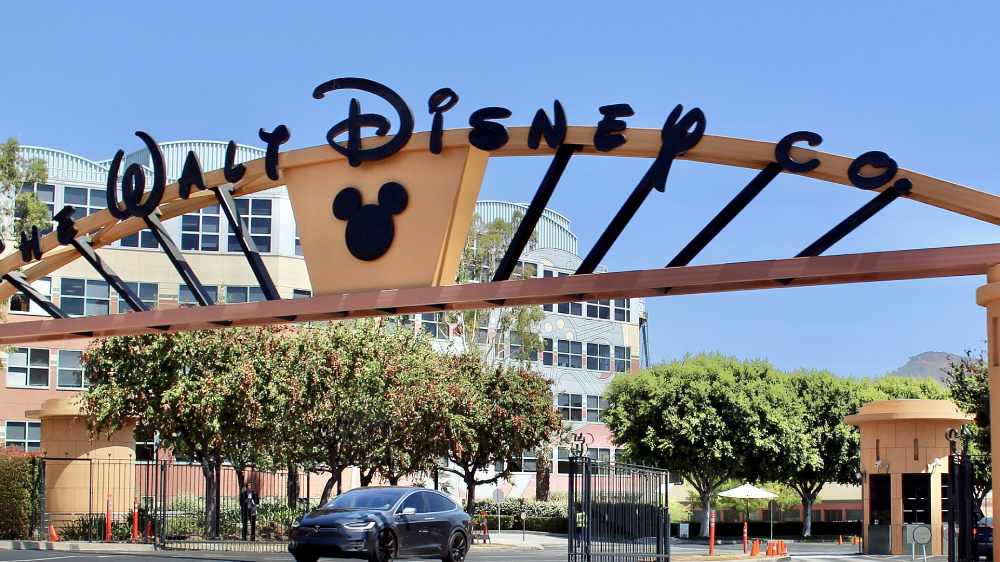
 Image: Coolcaesar (Wikipedia)
Author: VANAS Team
Disney Opens Its Universe to OpenAI: The Future of AI-Generated Animation Clips
Table of Contents
- Introduction: Disney Meets OpenAI
- The Big News: 200-Character Clips
- Mario Pochat’s Interview on Radio Canada
- What This Means for Animation
- The Role of AI in Creative Industries
- Opportunities and Challenges
- The Future: Collaboration or Disruption?
- Frequently Asked Questions
- Key Takeaways
Introduction: Disney Meets OpenAI
In a move that’s making waves across the animation and tech worlds, Disney has announced it will allow OpenAI users to generate short animation clips—up to 200 characters long—using its iconic universe. This partnership marks a new era for both entertainment and artificial intelligence, blurring the lines between fan creativity and professional content.
The Big News: 200-Character Clips
For the first time, Disney is opening its vast library of characters and settings to the public through OpenAI’s platform. Users can prompt the AI to create short, 200-character animation clips featuring beloved Disney characters. This initiative is designed to spark creativity, encourage fan engagement, and explore the boundaries of AI-generated storytelling.
Mario Pochat’s Interview on Radio Canada
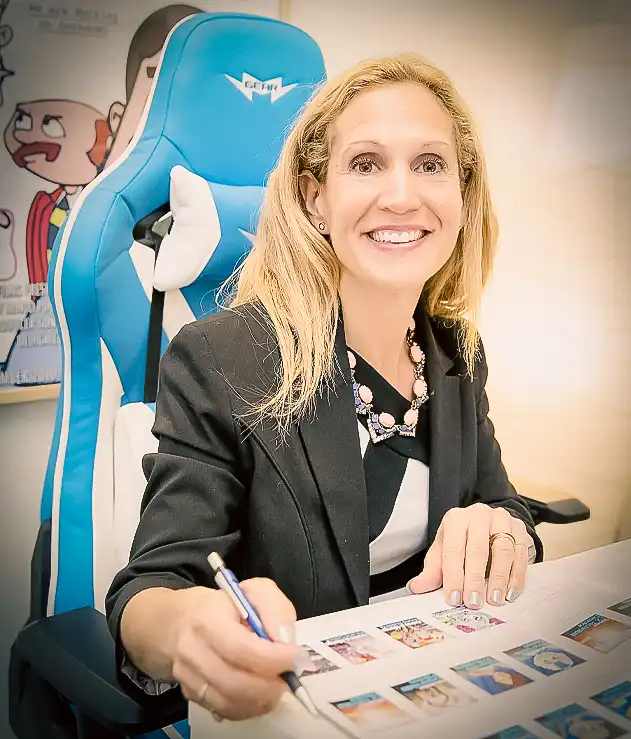
Mario Pochat, CEO of VANAS (Vancouver Animation School), discussed this groundbreaking development in a recent interview with Radio Canada’s Panorama program. Pochat highlighted the significance of Disney’s decision, noting that it represents a major shift in how intellectual property is managed and shared in the digital age.
“Disney’s move to let OpenAI users create with their characters is both bold and forward-thinking. It empowers fans and creators, but also raises important questions about authorship, quality, and the future of animation jobs.”
— Mario Pochat, CEO of VANAS (Radio Canada Interview)
What This Means for Animation
The animation industry has always thrived on innovation, from hand-drawn classics to computer-generated blockbusters. By allowing AI-generated clips, Disney is embracing the next wave of creative technology. This could:
- Lower the barrier to entry for aspiring animators
- Enable fans to tell their own stories with familiar characters
- Inspire new forms of interactive and personalized content
However, it also challenges traditional notions of authorship and creative control. Who owns an AI-generated clip? How will Disney ensure quality and brand integrity?
The Role of AI in Creative Industries
AI is rapidly transforming creative fields. In animation, AI can:
- Generate storyboards and animatics from text prompts
- Animate characters based on user instructions
- Suggest dialogue, music, and visual effects
For studios, this means faster production and new ways to engage audiences. For artists, it’s a tool for experimentation and rapid prototyping. But it also raises concerns about job displacement and the value of human creativity.
Opportunities and Challenges
Opportunities
- Fan Engagement: Fans can interact with Disney’s universe in unprecedented ways.
- Education: Animation schools like VANAS can use these tools to teach storytelling, animation, and AI literacy.
- Innovation: New genres and formats may emerge, blending AI and traditional animation.
Challenges
- Copyright and Authorship: Who owns the rights to AI-generated clips?
- Quality Control: How will Disney manage the flood of new content?
- Job Security: Will AI replace traditional animators, or create new roles?
The Future: Collaboration or Disruption?
Disney’s partnership with OpenAI is a sign of things to come. As AI becomes more integrated into creative workflows, the industry will need to adapt. Collaboration between artists and AI could lead to new forms of storytelling, while also challenging existing business models.
Mario Pochat believes the future is bright, but urges caution:
“AI is a powerful tool, but it’s not a replacement for human creativity. The best results will come from collaboration, not competition.”
Frequently Asked Questions
What exactly can users create with Disney and OpenAI?
- Users can generate short animation clips (up to 200 characters) featuring Disney characters, using OpenAI’s platform.
Is this available to everyone?
- Details are still emerging, but the initiative is expected to roll out to select users before a wider launch.
Will this affect jobs in animation?
- AI will change how animation is made, but it also creates new opportunities for artists, writers, and technologists.
How is Disney protecting its brand?
- Disney will likely use moderation tools and guidelines to ensure content aligns with its values and quality standards.
Key Takeaways
- Disney is letting OpenAI users create 200-character animation clips with its characters
- This marks a new era for fan creativity and AI in entertainment
- The move raises important questions about copyright, quality, and the future of animation jobs
- Collaboration between artists and AI will shape the next generation of storytelling
For more insights, listen to the full interview with Mario Pochat on Radio Canada.