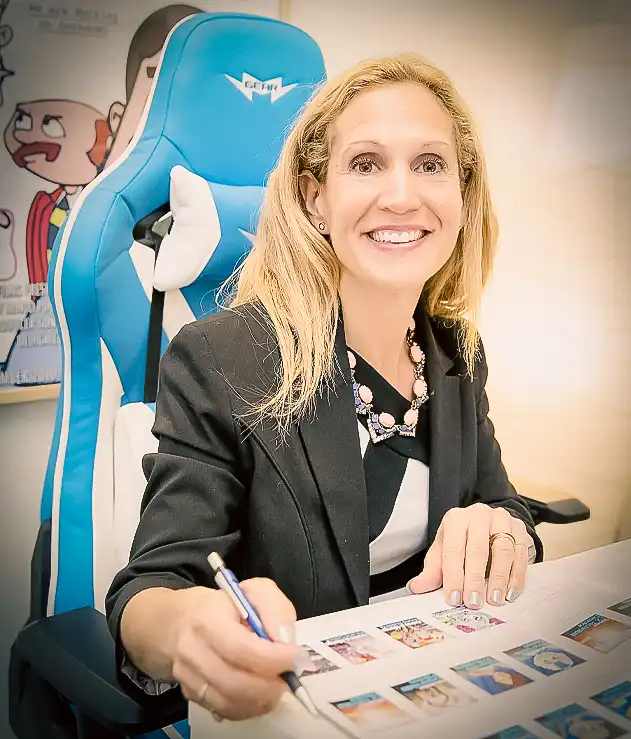
 Image: Emily H. (VANAS student)
How Long Does It Take to Become a Professional Digital Artist?
The short answer is: it varies. Some people become professional digital artists in as little as one year, while others take five years or more. The timeline depends on your starting point, how much time you dedicate, and the quality of your training. However, most professionals agree that the journey can be broken into four stages: beginner, student, junior artist, and professional.
At VANAS School, we help students navigate this journey with structured programs that focus on building real skills and a professional portfolio. The key is not just learning software — it is about developing your artistic eye, building consistency, and learning to accept and apply feedback.
The Four Stages of a Digital Artist Career
Beginner (0-6 months)
The beginner stage is about learning the basics. You are getting comfortable with software, understanding fundamental concepts like color theory and composition, and building your first simple projects. During this stage, you are focused on learning rather than producing polished work.
Most beginners spend this time getting familiar with tools like Maya, Blender, or Photoshop. You are learning the interface, basic workflows, and how to create simple assets. The goal is to build confidence and establish a regular practice routine.
Student (6 months - 2 years)
The student stage is where you start to develop your skills more seriously. You are working on more complex projects, learning industry-standard workflows, and building a portfolio that shows your progress. During this stage, you are focused on improving the quality of your work and learning to accept feedback.
At VANAS School, students in this stage work on real projects that mirror industry work. They receive regular feedback from instructors who are working professionals, and they learn to iterate on their work based on that feedback. This is where many students begin to see real improvement in their work.
Junior Artist (1-3 years)
The junior artist stage is about applying your skills in a professional context. You are working on real projects, collaborating with other artists, and learning the professional workflow. During this stage, you are focused on building consistency and learning to deliver work under deadlines.
Junior artists typically work at smaller studios or as freelancers. They are still learning and growing, but they are producing work that meets professional standards. The key at this stage is consistency — being able to produce quality work regularly, not just occasionally.
Professional (3+ years)
The professional stage is about mastery. You are producing high-quality work consistently, you have a strong portfolio, and you are recognized in the industry for your skills. During this stage, you are focused on refining your craft, specializing in your area of expertise, and potentially mentoring others.
Professionals have a deep understanding of their craft and can adapt to any project or challenge. They have built a reputation in the industry and can command higher rates or salaries. The key at this stage is specialization — becoming known for a specific skill or style.
What Determines Your Timeline?
Portfolio Quality
Your portfolio is the single most important factor in determining your timeline. A strong portfolio can get you hired even if you have less experience, while a weak portfolio can hold you back even if you have years of training. The key is to focus on quality over quantity — a few strong pieces are better than many mediocre ones.
At VANAS School, students work on portfolio development throughout their training. Instructors help students identify their strengths and build pieces that showcase those skills. The goal is to create a portfolio that tells a story about who you are as an artist.
Consistency
Consistency is what separates good artists from great ones. It is not enough to create one amazing piece — you need to be able to produce quality work regularly. Consistency comes from regular practice, setting standards for your work, and learning to critique your own output.
At VANAS School, students are encouraged to maintain a regular practice schedule. The school provides structure and accountability, helping students build the habits that lead to consistent output.
Feedback
Feedback is essential for growth. The ability to accept constructive criticism and apply it to your work is what will accelerate your development. Many students struggle with feedback at first, but learning to embrace it is one of the most important skills you can develop.
VANAS School provides regular feedback from instructors who are working professionals. Students learn to see feedback as a tool for improvement, not a personal attack. This mindset shift is often what separates those who succeed from those who give up.
Specialization
Specialization allows you to go deeper in your chosen field. While generalists are valuable, specialists are often in higher demand because they can solve specific problems. The key is to choose an area that aligns with your interests and strengths, then focus on becoming exceptionally good at it.
At VANAS School, students can choose from specialized tracks in animation, VFX, and game design. This allows them to dive deep into their area of interest while still maintaining a broad foundation.
How VANAS School Helps You Reach Your Goals
VANAS School is designed to help you navigate the journey from beginner to professional. Our programs are structured around the four stages of career development, with curriculum that evolves as your skills grow. We focus on building real skills, not just teaching software.
Our instructors are working professionals who understand what the industry needs. They provide feedback that is both constructive and practical, helping you improve quickly. The school's career services team helps you build a portfolio that gets results and connects you with hiring opportunities.
FAQ
Q: How long does it take to learn the software?
A: Basic proficiency can be achieved in a few weeks, but mastery takes years. At VANAS School, we teach software in the context of real projects, so you learn both the tools and how to use them effectively.
Q: Can I become a professional without a degree?
A: Yes. In the creative industries, your portfolio matters more than your degree. VANAS School focuses on building a portfolio that demonstrates your skills and gets you hired.
Q: How much time should I dedicate to practice?
A: Consistency is more important than quantity. Aim for regular practice, even if it is just an hour a day. VANAS School provides structure and accountability to help you maintain a regular practice schedule.
Q: What is the fastest way to improve my work?
A: Seek feedback from professionals and apply it consistently. At VANAS School, students receive regular feedback from working professionals, which accelerates their development significantly.
Q: How do I know when I am ready to apply for jobs?
A: When your portfolio demonstrates consistent quality and you can articulate your creative process. VANAS School's career services team helps you evaluate your readiness and prepare for the job market.
Q: Should I specialize or be a generalist?
A: Early in your career, focus on building a broad foundation. As you progress, you can specialize in the area that best suits your interests and strengths. VANAS School offers specialized tracks that allow you to dive deep into your chosen field.
Conclusion
The timeline for becoming a professional digital artist varies, but most people can expect it to take 2-5 years of dedicated effort. The key factors are portfolio quality, consistency, feedback, and specialization. VANAS School provides the structure, guidance, and support you need to navigate this journey and reach your goals faster.