 Image: A student working on animation and game design at VANAS
Photo by Sarath P Raj on Unsplash
Image: A student working on animation and game design at VANAS
Photo by Sarath P Raj on Unsplash
Author: VANAS Team
How to Choose the Right Animation, VFX, and Game Design School: 10 Questions to Ask Before Enrolling
Table of Contents
- Does the School Teach Industry Software?
- Are Instructors Professionals?
- Do Students Create Real Projects?
- Is There Teamwork?
- Are Portfolios Developed?
- Are Programs Specialized?
- Is the School Online or Campus-Based?
- Are Graduates Prepared for Studios?
- Is the Curriculum Updated?
- Does the School Fit Your Career Goals?
Does the School Teach Industry Software?
The software you learn becomes the foundation of your career. Before enrolling, ask which tools the school teaches and whether those tools are used in real studios. Programs that focus on Maya, Blender, Unity, Unreal Engine, Nuke, or Substance give students a head start because studios expect graduates to be comfortable with these pipelines.
At VANAS, students learn the same software used in professional animation, VFX, and game studios around the world. The courses are designed to move from theory to practice, so you are not just watching tutorials — you are building skills that studios recognize. Visit www.vanas.ca to explore the programs and see which software is covered in each track.
Are Instructors Professionals?
Instructors who have worked in the industry bring real-world knowledge that textbooks cannot teach. They understand what studios look for in a candidate, what deadlines feel like, and how to navigate creative feedback. When researching a school, look at the backgrounds of the teaching staff. Have they worked on films, games, or visual effects projects? Do they still maintain connections in the industry?
VANAS instructors are working professionals who bring their current studio experience into the classroom. This means students learn not only the technical skills but also the professional habits that make the difference between a junior artist and a studio-ready graduate.
Do Students Create Real Projects?
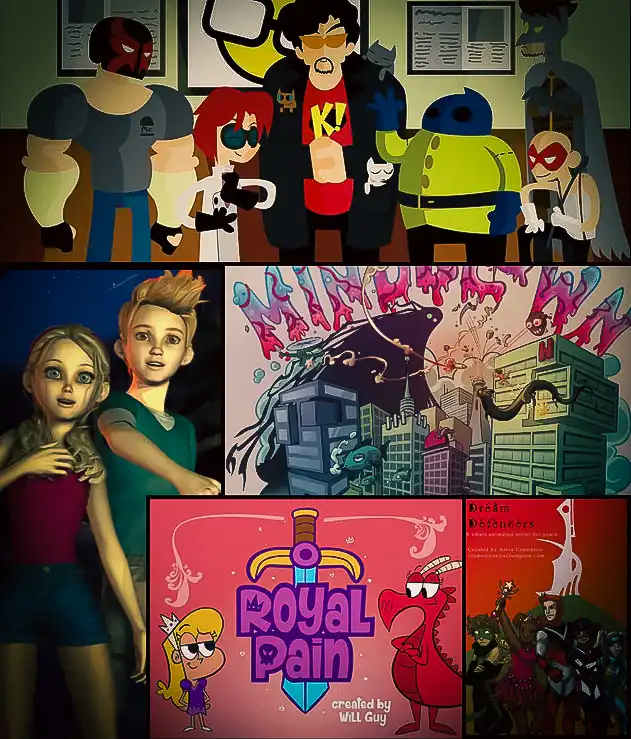
A school that only assigns theoretical exercises will not prepare you for the demands of a production pipeline. Look for programs where students build complete projects — short films, game prototypes, VFX shots, or interactive experiences. Real projects teach you how to manage scope, collaborate with others, and deliver work under deadlines.
VANAS emphasizes hands-on project work throughout every program. Students leave with reels and builds that demonstrate their abilities, not just certificates of completion. These projects become the core of a professional portfolio that can be shown to studios and clients.
Is There Teamwork?
The entertainment industry runs on collaboration. Animators work with lighting artists, game designers work with programmers, and VFX artists work with directors. A good school simulates this environment by assigning team-based projects where students take on different roles and learn to communicate effectively.
Teamwork also prepares you for the reality of remote and hybrid studios. Many studios today distribute work across cities or countries, so being comfortable with collaborative tools and workflows is essential. VANAS builds teamwork into its curriculum so graduates are ready to step into any studio environment.
Are Portfolios Developed?
Your portfolio is your calling card. It is the single most important factor in getting hired. A strong school dedicates time to helping students build, refine, and present their portfolios. This includes feedback sessions, portfolio reviews, and guidance on how to showcase your best work.
VANAS helps students develop portfolios that are tailored to their career goals. Whether you want to work in animation, VFX, or game design, the portfolio guidance ensures your work is presented in a way that catches the attention of hiring managers.
Are Programs Specialized?
Animation, VFX, and game design are distinct fields with different skill sets. A school that offers a one-size-fits-all program may not give you the depth you need. Look for programs that specialize in your area of interest, with dedicated tracks for animation, visual effects, or game design.
VANAS offers specialized programs in each of these areas, allowing students to focus on the discipline they are most passionate about. This specialization ensures that graduates have the depth of knowledge that studios look for when hiring for specific roles.
Is the School Online or Campus-Based?
The format of your education affects how you learn and how much flexibility you have. Online schools offer convenience and accessibility, while campus-based programs provide in-person networking and hands-on equipment access. Some students benefit from a hybrid approach. Consider your lifestyle, location, and learning style when choosing.
VANAS operates as an online school, making high-quality animation, VFX, and game design education accessible to students anywhere in the world. The online format allows students to balance their studies with work, family, or other commitments while still receiving instructor feedback and participating in team projects.
Are Graduates Prepared for Studios?
The ultimate test of a school is whether its graduates get hired. Ask about graduate employment rates, studio partnerships, and alumni success stories. A school with strong industry connections can open doors that a purely academic program cannot.
VANAS has a track record of graduates working in studios across the animation, VFX, and game industries. The career services team helps students prepare for interviews, build professional networks, and connect with hiring opportunities. This preparation goes beyond technical skills and includes the professional communication and work habits that studios value.
Is the Curriculum Updated?
The digital arts industry evolves quickly. New tools, techniques, and trends emerge every year. A school that has not updated its curriculum in several years may be teaching outdated workflows. Look for institutions that regularly review and refresh their courses to reflect current industry standards.
VANAS keeps its curriculum aligned with the latest industry practices. The team continuously evaluates new tools and techniques to ensure students are learning what is relevant today, not what was relevant five years ago. This commitment to staying current means graduates are ready to contribute from day one.
Does the School Fit Your Career Goals?
Finally, consider whether the school aligns with your personal career goals. Do you want to work in film? In games? In advertising? In independent creation? The best school for you is the one that supports the specific path you want to take.
VANAS helps students clarify their goals and choose the right program to achieve them. Whether you are just starting out or looking to transition into a new field, the programs at www.vanas.ca are designed to give you the skills, portfolio, and confidence you need to succeed in animation, VFX, or game design.
Final Thoughts
Choosing the right school is one of the most important decisions you will make for your creative career. By asking these ten questions, you can evaluate programs with confidence and find the school that truly prepares you for the industry. Take your time, do your research, and choose a school that invests in your future.