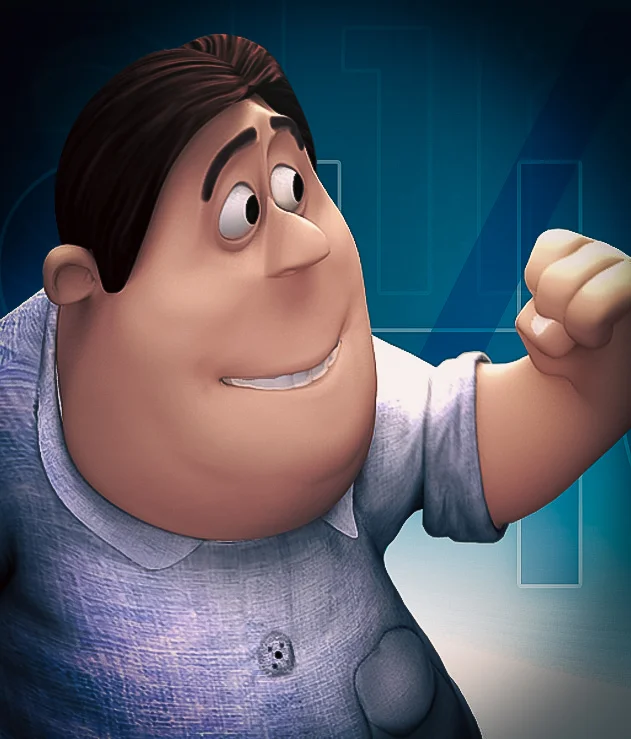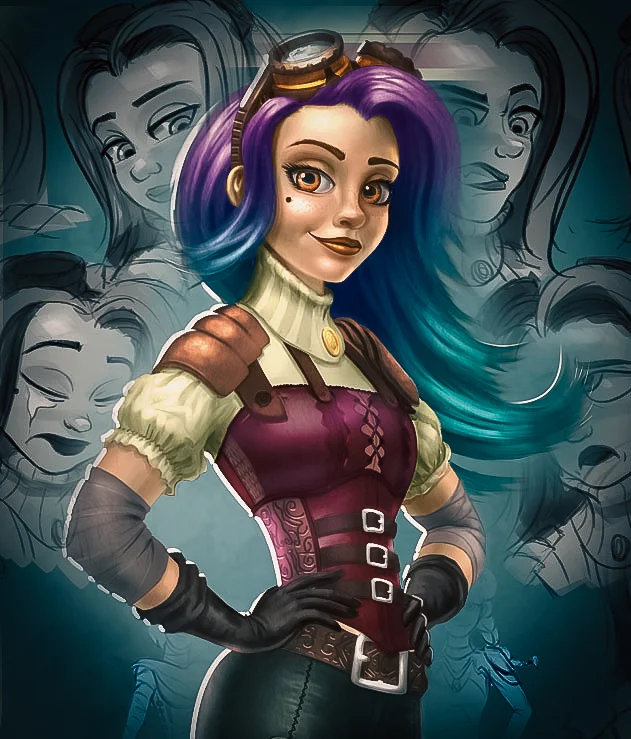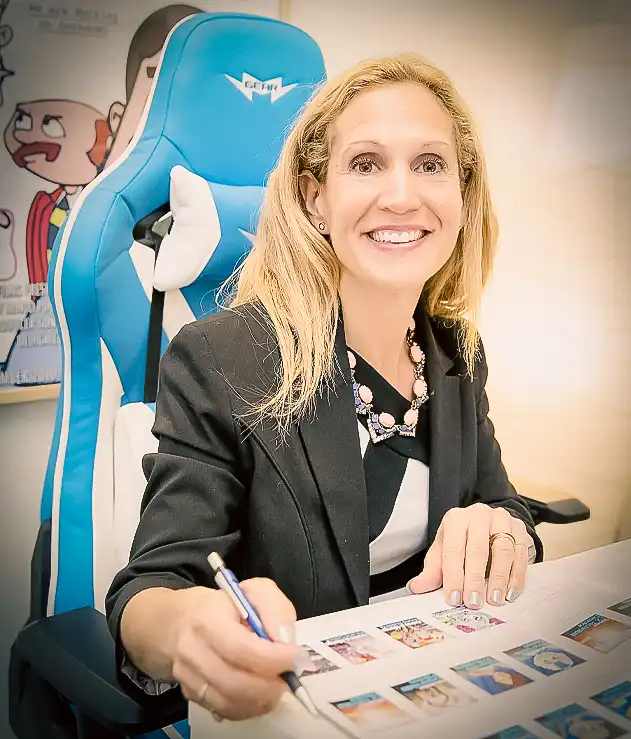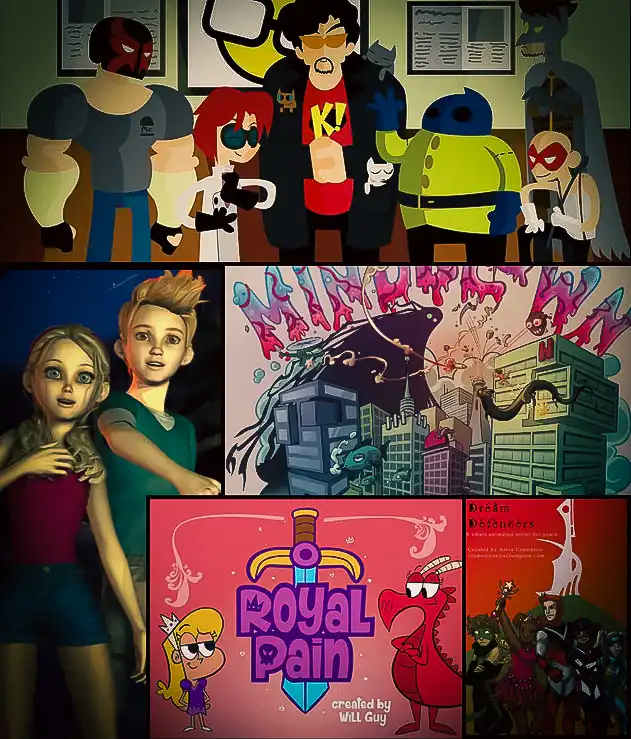
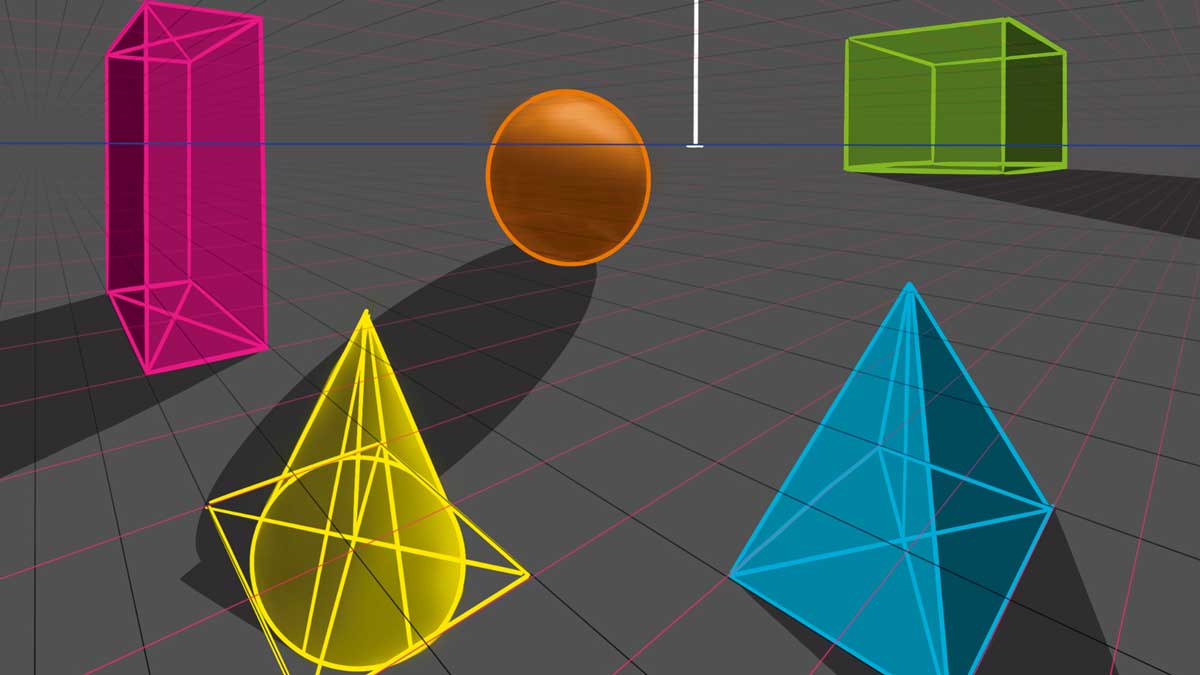
 Image: By Kristina P. (VANAS student)
What Do You Learn in an Animation, VFX, and Game Design Program?
The short answer is: a blend of creative fundamentals and industry-specific technical skills. Animation, VFX, and game design programs teach you how to tell stories, create compelling visuals, and build interactive experiences. The curriculum starts with foundational skills like drawing and design principles, then moves into specialized areas like character animation, 3D environments, and visual effects.
At VANAS School, the curriculum is designed to mirror what studios expect. Students learn both the creative and technical sides of the industry, building a portfolio that demonstrates their ability to deliver professional-quality work.
Foundation Skills
Drawing
Drawing is the foundation of all visual arts. Whether you are creating 2D animations, designing characters, or sketching concepts, drawing skills are essential. Programs teach gesture drawing, figure drawing, and perspective — skills that translate directly to digital work.
Design Principles
Design principles like composition, color theory, and visual hierarchy are taught early in the program. These fundamentals help you create work that is not only technically correct but also visually compelling. Understanding how to guide the viewer's eye and create emotional impact through design is crucial for success.
Storytelling
Storytelling is at the heart of animation, VFX, and game design. Programs teach narrative structure, character development, and how to convey emotion through visual media. Whether you are creating a short film, a game level, or a visual effects sequence, storytelling skills are essential.
Creativity
Creativity is not just about being artistic — it is about problem-solving and finding unique solutions. Programs encourage students to experiment, take risks, and develop their own creative voice. This foundation supports all the specialized skills you will learn later.
Animation Curriculum
Character Animation
Character animation is the art of bringing characters to life through movement. Programs teach the 12 principles of animation, body mechanics, and how to convey emotion through motion. Students learn to animate both realistic and stylized characters, working in 2D and 3D.
Motion
Understanding motion is crucial for animators. Programs teach physics, timing, and how to create believable movement. Students learn to animate objects, creatures, and characters, understanding how weight, momentum, and force affect motion.
Acting
Acting skills help animators create believable character performances. Programs teach students how to study human behavior, understand emotion, and translate that into animated performances. This is especially important for character animators working on films and games.
Game Design Curriculum
Game Art
Game art covers all the visual elements of a game, from characters to environments to user interfaces. Programs teach students how to create assets that are both visually appealing and optimized for real-time rendering. Students learn industry-standard software and techniques.
3D Environments
3D environments are the worlds players explore in games. Programs teach students how to create landscapes, buildings, interiors, and other environmental assets. Students learn about lighting, texturing, and how to create immersive worlds that support gameplay.
Characters
Character creation is a key part of game design. Programs teach students how to design, model, and texture characters that fit the game's style and story. Students learn about anatomy, proportions, and how to create characters that players can connect with.
Game Engines
Game engines like Unity and Unreal Engine are the platforms where games come to life. Programs teach students how to use these engines to build interactive experiences. Students learn about scripting, asset integration, and how to create gameplay that is engaging and polished.
VFX Curriculum
Compositing
Compositing is the process of combining multiple visual elements into a single, seamless image. Programs teach students how to use software like Nuke and After Effects to blend live-action footage with computer-generated elements. Students learn about color correction, keying, and how to create photorealistic composites.
Effects
Visual effects artists create elements like fire, smoke, water, and explosions. Programs teach students how to simulate these effects using software like Houdini and Maya. Students learn about physics, particle systems, and how to create effects that look realistic and support the story.
Simulation
Simulation is the process of creating realistic movement and behavior for objects and characters. Programs teach students how to simulate cloth, hair, fluids, and rigid bodies. Students learn about physics engines and how to create simulations that look believable and support the narrative.
Career Preparation
Portfolio
Your portfolio is your most important asset when applying for jobs. Programs help students build portfolios that showcase their best work and demonstrate their skills. Students learn how to present their work effectively and tailor their portfolios to specific roles.
Demo Reel
A demo reel is a short video that showcases your best work. Programs teach students how to create compelling demo reels that highlight their skills and creativity. Students learn about pacing, editing, and how to make their reels stand out to hiring managers.
Professional Workflow
Professional workflow skills are essential for success in the industry. Programs teach students how to manage projects, meet deadlines, and work collaboratively. Students learn about version control, file management, and how to work efficiently in a studio environment.
How VANAS School Helps You Learn
VANAS School offers programs that cover all these areas, from foundation skills to career preparation. The curriculum is designed by industry professionals who understand what studios need. Students learn in a practical environment where they work on real projects and receive feedback from instructors who are currently working in the industry.
The school's career services team helps students build portfolios, create demo reels, and prepare for interviews. This support ensures that graduates are ready to enter the industry and succeed from day one.
FAQ
Q: Do I need prior experience to start an animation, VFX, or game design program?
A: No. Most programs, including those at VANAS School, are designed for beginners. The curriculum starts with foundational skills and builds from there. You just need creativity and a willingness to learn.
Q: How long does it take to learn animation, VFX, or game design?
A: It depends on the program and your goals. Some students complete foundational courses in a few months, while others pursue more comprehensive programs that take a year or more. The key is consistent practice and building a strong portfolio.
Q: What software do you learn in these programs?
A: Programs typically teach industry-standard software like Maya, Blender, Unity, Unreal Engine, Nuke, and Houdini. VANAS School teaches the same software used in professional studios, so you graduate with skills that are immediately applicable.
Q: Can I specialize in one area or do I need to learn everything?
A: You can specialize in the area that interests you most. While programs cover multiple areas, you can focus on animation, VFX, or game design based on your career goals. VANAS School offers specialized tracks that allow you to dive deep into your chosen field.
Q: How important is the portfolio compared to the degree?
A: In the creative industries, your portfolio is more important than your degree. Studios want to see what you can do, not just what you studied. VANAS School emphasizes portfolio development throughout the program, ensuring you graduate with work that demonstrates your skills.
Q: What kind of jobs can I get after graduation?
A: Graduates can pursue careers as animators, VFX artists, game designers, character artists, environment artists, and many other roles. VANAS School's career services team helps students connect with hiring opportunities and prepare for interviews.
Conclusion
An animation, VFX, and game design program teaches you a blend of creative and technical skills that prepare you for a career in the digital arts. From foundation skills like drawing and storytelling to specialized areas like character animation and visual effects, the curriculum is designed to give you the skills studios need. VANAS School is here to help you build those skills and launch your career in the industry.