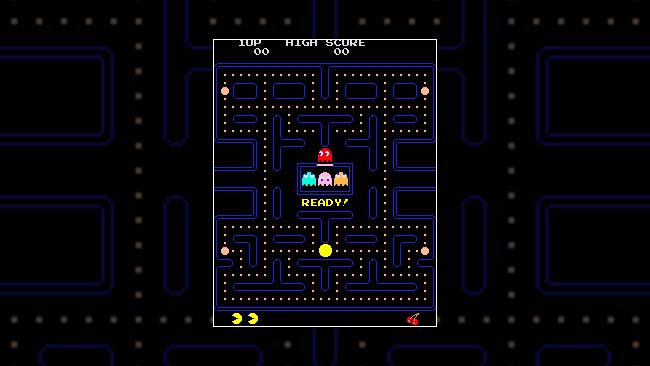
 Image: Pac-man video game (Wikipedia)
Why Pac-Man Is Trending Again in 2026
Everyone’s asking: why is Pac‑Man suddenly everywhere again? Between viral short videos, nostalgic collabs and a surprise round of media noise, the little yellow icon is back on people’s feeds — and in search results.
A lightning‑quick history
Pac‑Man was born in 1980 from Namco designer Toru Iwatani. Its simple premise — navigate a maze, eat dots, avoid ghosts — helped Pac‑Man break out of the joystick-and-brawn arcade mold and reach a broad audience, including players who hadn’t grown up on space shooters. Within months it became a cultural phenomenon: merchandise, TV shows, and the follow‑up hit Ms. Pac‑Man expanded the brand into homes and living rooms worldwide. Over four decades later, Pac‑Man lives on not as a retro relic but as an iconic design language and a reliable cultural touchstone.
What triggered the 2026 spike?
No single event explains the sudden surge; it’s a confluence of triggers stacking on each other.
- Google Doodle revival: An interactive Google Doodle that reimagined Pac‑Man for mobile browsers landed on feeds and short‑form platforms. The clip‑friendly gameplay made great microcontent for TikTok and Instagram Reels, sending people to search “Pac‑Man Google Doodle” and then deeper into the original game’s history.
- Anniversary and remasters: A recent anniversary (and a subtle marketing push from retro publishers) nudged remastered editions, browser ports, and official reissues into storefronts. That availability made it easy for newcomers to try the game without buying vintage hardware.
- Movie and media buzz: Persistent rumors and early-stage reports about a new IP project — whether a documentary, animated special, or feature development — created headline traction. Even speculative reporting drives search interest.
- Brand collabs and fashion drops: A handful of high‑profile fashion and streetwear collaborations used Pac‑Man’s imagery across limited drops. Influencers wearing those pieces created aspirational, sharable content that reintroduced the brand to Gen Z audiences.
- Esports and speedrunning moments: Retro gaming tournaments, celebrity streamers attempting live speedruns, and playful “Pac‑Man challenge” streams made the game visible on Twitch and YouTube. When popular creators revisit classics, their audiences follow.
These elements amplified one another: a Doodle clip on TikTok leads viewers to a streamer’s speedrun, which references a collab, which then pops in news cycles as “why is Pac‑Man trending?”
Why Gen Z is discovering Pac‑Man now
Gen Z’s discovery pattern is less about a single generation rewriting history and more about how modern platforms surface cultural artifacts.
- Short‑form video is perfect for Pac‑Man. The game’s clear visual hook — bright maze, iconic ghosts, and a satisfying “waka‑waka” sound — compresses into 15–30 second clips that get shared, remixed, and memed.
- Aesthetic fit with retro and lo‑fi trends. Pixel art, neon palettes, and 80s/90s throwback visuals are fashionable in design, music videos, and indie games. Pac‑Man slots into that aesthetic with zero friction.
- Accessibility and low friction. You don’t need a console or specialized controller to enjoy Pac‑Man — browser ports, mobile Doodles, and remasters are click‑and‑play. That low barrier removes gatekeeping and encourages experimentation.
- Social proof from creators. When high‑reach creators, designers, or musicians drop a Pac‑Man reference — in a music video, runway, or stream — their followers investigate. Gen Z trusts creators for cultural cues; creators trust nostalgia for engagement.
In short, Pac‑Man isn’t being “rediscovered” through scholarly retrospectives — it’s being rediscovered via snackable, social content and cultural crossovers.
Why nostalgia games dominate search again
The wave behind Pac‑Man sits within a broader cultural rhythm where old media resurfaces every few decades. Several forces explain why nostalgia games are currently dominating search:
- Emotional comfort in uncertain times. Retro games evoke simpler experiences and familiar sensory cues — a comforting contrast when newsfeeds feel overwhelming.
- Media and IP economics. Studios and brands mine legacy properties because recognized IP lowers marketing risk. That creates news cycles (reissues, remasters, merch) that drive searches.
- Platform mechanics favor recognizable hooks. Algorithms reward content that’s instantly legible. A familiar sprite or jingle activates recognition faster than a novel franchise.
- Collector and secondary markets. Renewed interest in classics drives hardware and memorabilia markets, which produce new content — unboxings, restorations, and history deep dives — that further fuels search interest.
- Cross‑disciplinary creative reuse. Musicians sample chiptune loops, designers riff on arcade motifs, and fashion brands drop capsule collections. Each reuse introduces the game to a different audience slice.
These dynamics create a feedback loop: nostalgia sparks headlines and product drops, which generate content, which algorithms amplify, which leads back to searches and discovery.
What this means for culture and creators
Pac‑Man’s comeback is measurable (search spikes, social trends) and also instructive. It shows how heritage IP can be made relevant without heavy-handed reboots: by leaning into short‑form storytelling, partnerships that feel authentic, and low‑friction play experiences.
For creators, the trend is an invitation: remix, reimagine, and reference the elements that made Pac‑Man catchy — the rhythm, the visuals, the quirks — rather than trying to outdo them. Brands, meanwhile, can use these moments to connect across generations if collaborations are respectful and playful rather than purely extractive.
Final thought
Pac‑Man’s return to the cultural zeitgeist in 2026 is less a single phenomenon and more a case study in how modern media revives classic IP: platform-first exposure, creator amplification, and cross‑industry reuses all combine to make an 80s arcade cabinet feel new again.